In a fast‑paced world filled with convenience foods and rising grocery prices, growing your own vegetables is more than just a hobby — it’s a meaningful way to improve your health, save money, and reconnect with nature. Whether you have a backyard garden, a balcony planter, or a few pots on a windowsill, the benefits of homegrown produce are abundant.
1. Nutritional Powerhouse at Your Fingertips
Homegrown vegetables are often fresher and more nutrient‑rich than store‑bought options. According to the CDC, fruits and vegetables provide essential vitamins, minerals, and fibre that support overall health and help reduce the risk of chronic diseases such as heart disease, diabetes, and certain cancers.
- Picked at peak ripeness — higher nutrient content
- No long transport or storage — less nutrient loss
- More variety — grow what you love and what’s hard to find in stores
2. Cost Savings Over Time
While there may be some upfront costs for seeds, soil, and containers, growing your own vegetables can significantly reduce your grocery bill, especially with high‑yield crops like tomatoes, lettuce, and herbs.
- A single tomato plant can yield 10–15 pounds of fruit
- Herbs such as basil and parsley can be harvested weekly throughout the season
3. Mental and Physical Health Boost
Gardening is a form of low‑impact physical activity that also supports mental well‑being. The CDC recognizes gardening as a moderate‑intensity exercise that can help reduce stress, improve mood, and promote better sleep.
- Digging, planting, and weeding — natural movement
- Time outdoors — increased vitamin D and reduced anxiety
- Sense of accomplishment — improved self‑esteem and mindfulness
4. Environmental Benefits
Growing your own food reduces your carbon footprint by cutting down on packaging, transportation, and food waste. It also encourages sustainable practices such as composting and water conservation.
- Less plastic and packaging waste
- Fewer emissions from food transport
- Opportunity to grow organically and avoid harmful pesticides
5. Family and Community Engagement
Gardening is a great way to involve children in healthy eating habits and teach them where food comes from. It also fosters community through shared gardens, seed swaps, and local food initiatives.
- Children are more likely to eat vegetables they helped grow
- Community gardens promote food security and social connection
Getting Started
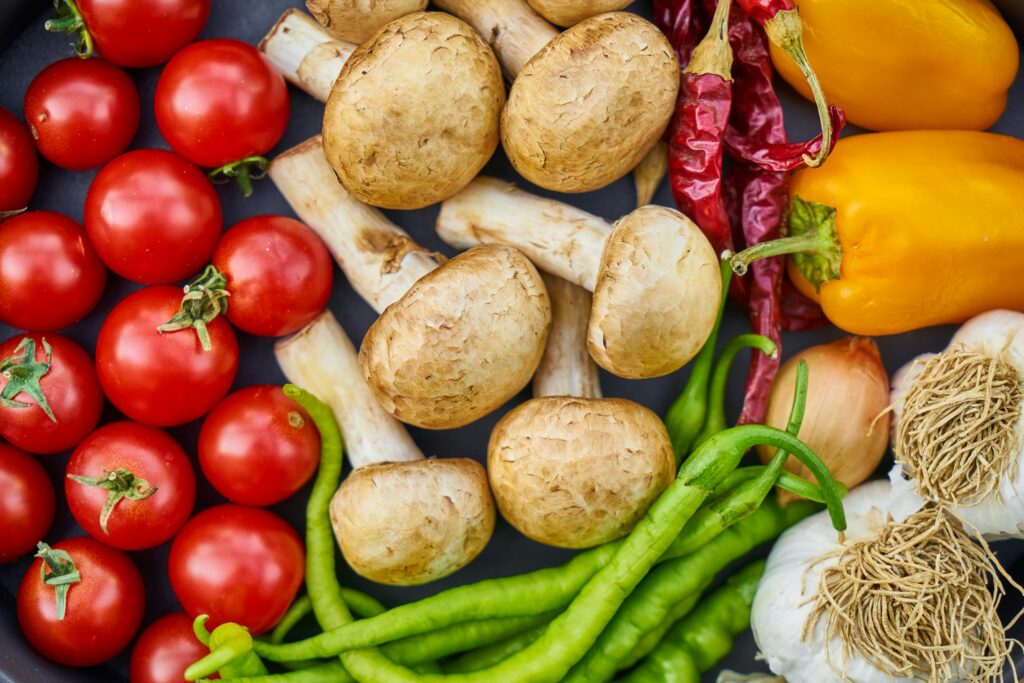
If you’re new to gardening, start small by trying herbs or leafy greens in containers. Choose easy‑to‑grow crops such as lettuce, radishes, cherry tomatoes, and green beans — all excellent choices for beginners. If you don’t have a yard, use what you have: balconies, windowsills, or even a local community garden plot.
Growing your own vegetables is a rewarding way to nourish your body, mind, and environment. Whether you’re harvesting your first cherry tomato or planning a full backyard garden, every step toward homegrown food is a step toward better health and sustainability.
More Information
- Healthy Habits: Fruits and Vegetables to Manage Weight — Healthy Weight and Growth | CDC
- Healthy Eating Tips — Nutrition | CDC
- Nutrition Guidelines and Recommendations — Nutrition | CDC