Eating well during pregnancy and breastfeeding isn’t about eating for two. It’s about making nutritious choices that support your baby’s growth and your own health.
How to build a balanced plate
Every day, aim for a variety of:
- Vegetables and fruits: include dark leafy greens such as kale or bok choy and orange vegetables like carrots or sweet potatoes
- Whole grains: choose foods such as oats, wild rice, and whole wheat pasta
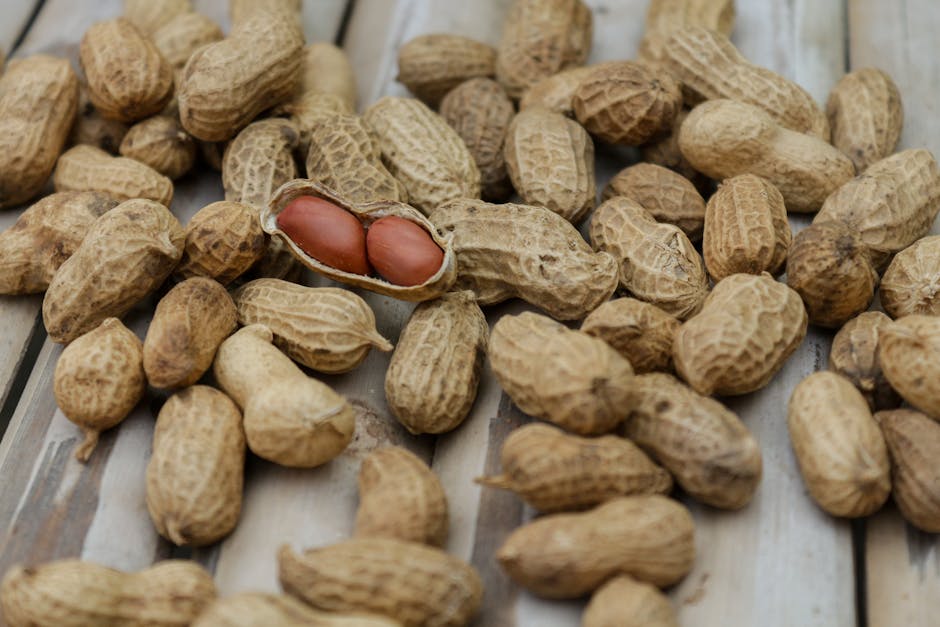
- Protein foods: include eggs, beans, lentils, tofu, nuts, seeds, lean meats (including wild game), and lower-fat dairy products or fortified soy beverages.
Key nutrients to consider
Pregnant and breastfeeding individuals are often encouraged to take a multivitamin that contains:
- Folic acid: 400 mcg (0.4 mg) daily to help prevent neural tube defects
- Iron: 16–20 mg daily to support increased blood volume and fetal development
- Vitamin D: 400 IU (10 µg) daily, which is especially important in northern climates where sun exposure may be limited.
Talk to your healthcare provider before starting any new vitamin or supplement.
Stay hydrated
Water supports digestion, nutrient transport, and temperature regulation. Carry a reusable water bottle and sip regularly throughout the day.
Milk and unsweetened fortified plant-based beverages can also help meet your fluid needs.
Don’t forget omega-3s
Omega-3 fatty acids play an important role in your baby’s brain and tissue development.
Good sources include:
- Fatty fish such as salmon and sardines
- Nuts and seeds, especially flax and chia
- Vegetable oils such as canola and soybean oil.
Choose fish wisely
Fish is an excellent source of protein and omega-3 fatty acids, but some varieties contain higher levels of mercury. Choose lower-mercury options and follow Health Canada’s recommendations to help reduce exposure.
Limit highly processed foods
Processed foods can be high in sodium, sugar, and saturated fat. Reading nutrition labels and preparing more meals at home can help you make informed choices.
Managing nausea, cravings, and food aversions
Pregnancy can affect your appetite and food preferences. Do your best to eat a variety of nutritious foods and speak with your healthcare provider if you’re finding it difficult to meet your nutritional needs.
Bonus tip
During the second and third trimesters, most people only need about 350–450 additional calories per day. That’s roughly equivalent to a small smoothie or a bowl of oatmeal with fruit.
Healthy eating during pregnancy and breastfeeding doesn’t need to be complicated. Focusing on a variety of nutritious foods, staying hydrated, and planning ahead can help support both your health and your baby’s development.
Sources
• Healthy Eating When Pregnant and Breastfeeding | Canada’s Food Guide
https://food-guide.canada.ca/en/tips-for-healthy-eating/pregnant-breastfeeding/