Ever opened a package of ground beef that looked brown in the middle? Or cooked a turkey that stayed pink even after hours in the oven? Don’t panic. Colour alone doesn’t always mean your meat is unsafe. Here’s what you need to know to shop, store, and cook with confidence.
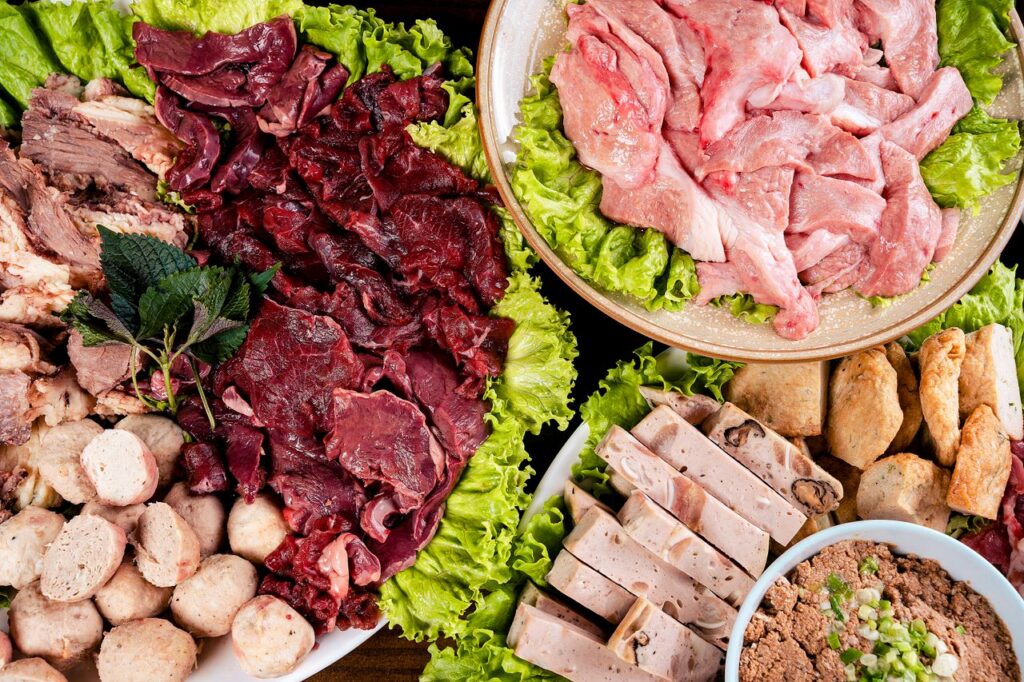
Meat and poultry get their colour from myoglobin, a protein found in muscle tissue. When exposed to oxygen, myoglobin turns bright red (oxymyoglobin), which is why fresh beef often looks vibrant in the store. Over time, it may turn brown or grey, but this doesn’t necessarily mean it has spoiled.
Other factors that affect colour include:
- Animal age and activity (older or more active animals have darker meat)
- Storage conditions (light, air, and temperature)
- Packaging (vacuum-sealed meat may appear purplish).
Colour changes in the freezer are normal. You might see:
- Darkening or fading: Still safe to eat
- White patches: This is freezer burn. The meat is still safe, but the texture and flavour may be affected. Trim away those areas before cooking.
What about pink poultry?
Cooked poultry can sometimes remain pink and still be safe to eat. The only reliable way to determine doneness is by using a food thermometer. Chicken and turkey should be cooked to an internal temperature of 74°C (165°F).
How to tell when meat has spoiled
While colour isn’t always a reliable indicator, smell and texture can provide important clues.
- Spoiled meat may have a sour or unpleasant odour
- Meat may feel sticky, tacky, or slimy.
Don’t judge meat by colour alone. Use a thermometer, trust your senses, and follow safe food storage practices to help keep your meals safe and enjoyable.
Sources
• The Color of Meat and Poultry | Food Safety and Inspection Service
https://www.fsis.usda.gov/food-safety/safe-food-handling-and-preparation/meat/color-meat-and-poultry