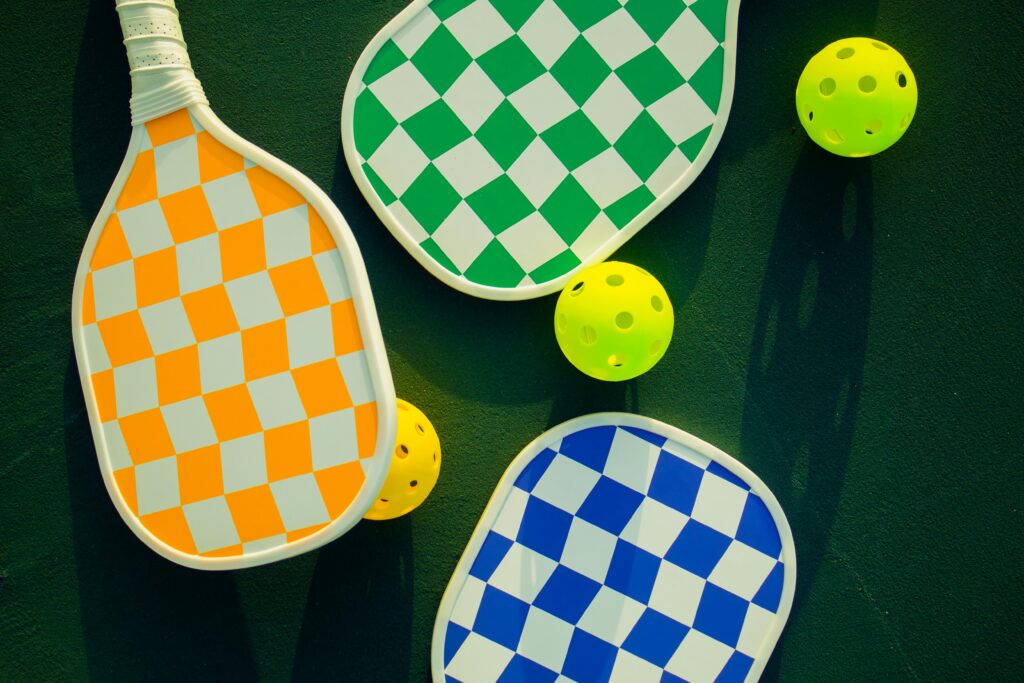
Pickleball isn’t just a trend — it’s a movement. With its blend of tennis, badminton, and ping‑pong, this paddle sport has exploded in popularity across North America. Beyond the fun and social buzz, pickleball also offers meaningful health benefits.
1. Heart Health
Pickleball qualifies as moderate‑intensity aerobic exercise, helping players meet the recommended 150 minutes of weekly activity. Studies show that older adults playing pickleball spend more than 70% of their time in the moderate‑to‑vigorous heart‑rate zone. This supports cardiovascular endurance, lowers blood pressure, and improves lung function.
2. Muscle and Bone Strength
The sport’s quick movements and paddle swings help build muscle tone and support bone density, reducing the risk of osteoporosis and fractures.
3. Balance and Coordination
Pickleball requires lateral movement, quick reflexes, and strong hand‑eye coordination. These skills enhance balance, which is crucial for preventing falls — especially in older adults.
4. Mood and Mental Health
Pickleball can be a powerful antidote to stress and low mood. A 2018 study found that engaging in leisure activities such as pickleball may reduce the risk of depression and support overall mental well‑being.
5. Cognitive Function
Regular play stimulates the brain through strategy, reflexes, and social interaction. These elements may help slow cognitive decline and reduce the risk of dementia. Pickleball is also inherently social. Whether you’re playing doubles or joining a local league, it fosters community, belonging, and intergenerational connections, especially valuable for older adults who may be at risk of isolation.
Why Pickleball Works for Everyone
- Easy to learn
- Low impact on joints
- Affordable equipment
- Indoor and outdoor options
- Welcoming, inclusive community Pickleball isn’t just a game — it’s a gateway to better health, deeper connections, and lifelong movement. Whether you’re 24 or 84, it’s never too late to pick up a paddle and play.
Resources