
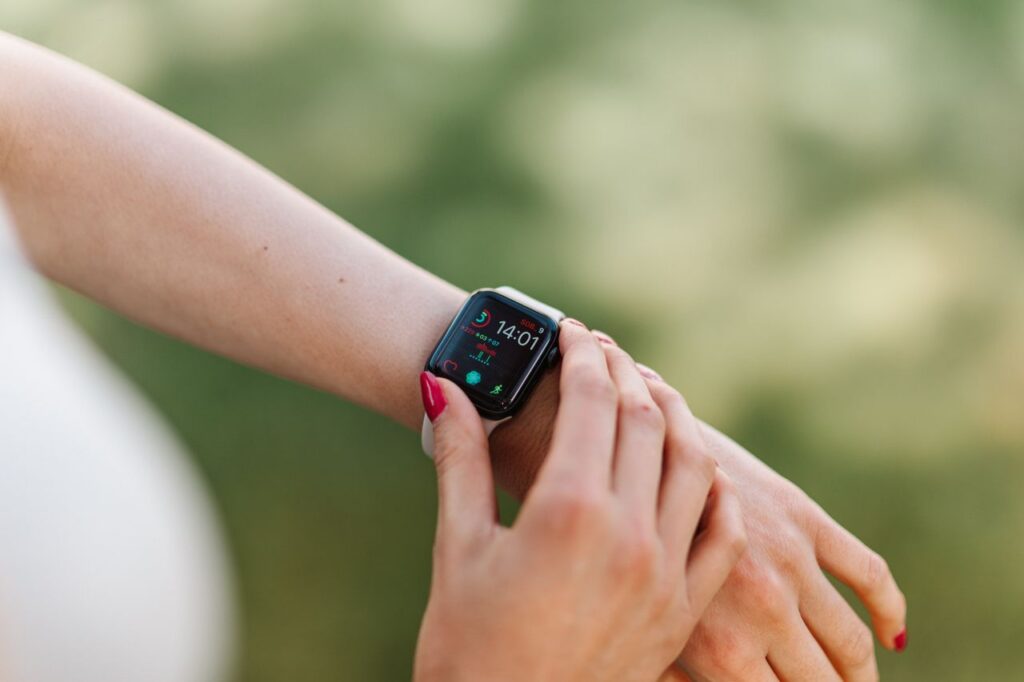
Smart accessories such as fitness trackers, smartwatches, and wearable sensors are becoming increasingly popular tools for managing personal health. These devices provide real-time insights into activity levels, sleep patterns, heart rate, and more, helping people stay informed and proactive about their well-being.
What are smart health accessories?
Smart health accessories are wearable devices that use built-in sensors to track physical and physiological data. Common devices include:
- Smartwatches
- Fitness trackers
- Heart rate monitors
- Sleep monitors
- Continuous glucose monitors.
Many devices sync with mobile apps, making it easier to understand and track health data over time.
Key benefits of smart accessories
1. Real-time health monitoring
Wearable devices can continuously track a variety of health metrics, including:
- Heart rate
- Steps and activity levels
- Sleep patterns
- Blood oxygen levels
This information can help users better understand changes and trends in their overall health.
2. Early detection of health issues
Some devices can identify irregular heart rhythms or other potential warning signs, encouraging users to seek medical attention when needed. While wearable technology cannot diagnose medical conditions, it may help people identify issues earlier.
3. Encouraging healthy habits
Tracking daily progress can help motivate people to:
- Be more physically active
- Improve sleep habits
- Make healthier lifestyle choices
For many users, wearable devices can support positive behaviour changes and improve awareness of overall health.
4. Supporting preventative health
Continuous health data can help individuals recognize patterns and make informed decisions about their well-being. This can support a more proactive approach to health and wellness.
Limitations of smart accessories
While smart accessories can be helpful, they do have limitations:
- Data may not always be 100% accurate
- Most devices are not medical-grade diagnostic tools
- Constant tracking may cause unnecessary worry for some users.
Wearable technology should be used as a tool to support health, not replace professional medical advice.
Getting the most out of wearable technology
To maximize the benefits:
- Use tracking data as a guide, not a diagnosis
- Focus on trends over time rather than individual readings
- Combine technology with healthy habits such as regular exercise, quality sleep, and balanced nutrition.
Smart health accessories can be valuable tools for increasing awareness, supporting healthy habits, and monitoring overall wellness. They are most effective when used alongside healthy lifestyle choices and guidance from healthcare professionals.
Sources
• How Wearable Tech Is Reshaping Preventative Health
https://www.news-medical.net/health/How-Wearable-Tech-Is-Reshaping-Preventative-Health.aspx
• Wearable Health Tech Is Transforming Canadian Healthcare (Here’s How)
https://www.healthcouncilcanada.ca/wearable-health-tech-is-transforming-canadian-healthcare-heres-how/
• Wearable Health Monitoring: Wave of the Future or Waste of Time?
https://pmc.ncbi.nlm.nih.gov/articles/PMC11230110/
• Wearing the Future: Wearables to Empower Users to Take Greater Responsibility for Their Health and Care
https://pmc.ncbi.nlm.nih.gov/articles/PMC9330198/