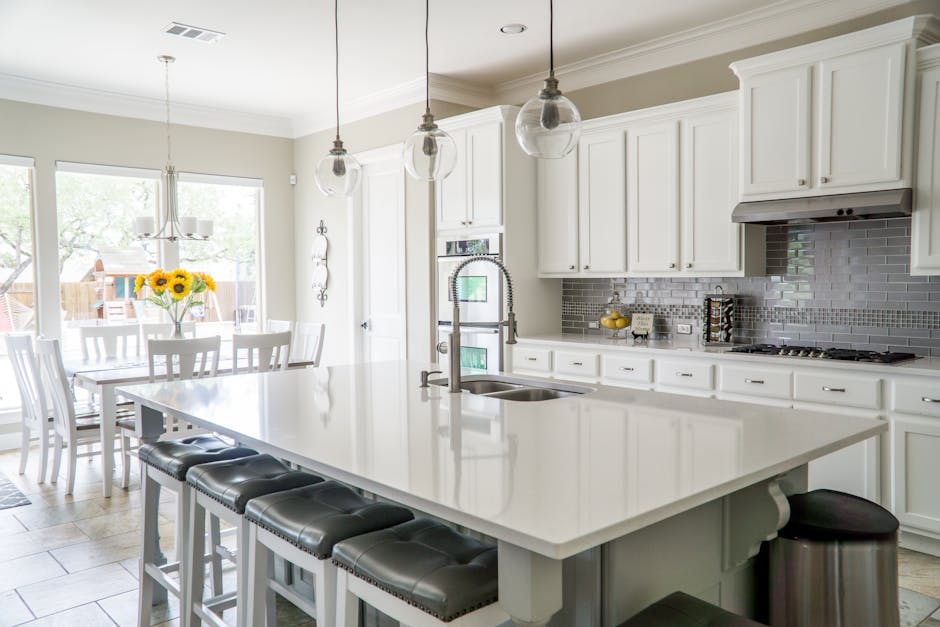

After a long day, your body naturally begins preparing for sleep. However, your lighting environment can affect this process. Bright overhead lights and LED lighting in the evening may interfere with your body’s internal clock, making it more difficult to fall asleep and get quality rest.
The science behind evening light
Your body runs on a circadian rhythm, a natural 24-hour cycle that tells you when to feel awake and when to sleep.
- In the evening, your brain starts producing melatonin, the hormone that helps you wind down
- Exposure to light, especially blue light from LEDs and overhead lighting, suppresses melatonin.
This can delay your body’s natural sleep signals, even if you feel tired.
Why overhead and LED lights can affect sleep
Many modern light sources, including overhead fixtures and LEDs, emit blue-enriched white light. This type of light has a greater impact on the body’s circadian rhythm than warmer light sources.
Evening exposure to bright light may:
- Make the brain feel more alert
- Delay the onset of sleep
- Reduce feelings of sleepiness
- Affect the body’s natural sleep-wake cycle.
Even relatively dim indoor lighting can influence how your body prepares for sleep.
The impact on your health
Regular exposure to bright light in the evening may contribute to:
- Difficulty falling asleep
- Poor sleep quality
- Frequent nighttime awakenings
- Daytime fatigue
- Reduced focus and concentration.
Over time, ongoing disruption of your circadian rhythm may also affect overall health and well-being.
What you can do instead
Creating a sleep-friendly environment doesn’t require complete darkness. Small changes to your evening lighting can help support better sleep.
Try these habits:
- Turn off overhead lights and use lamps when possible
- Choose warm, dim lighting instead of bright white LEDs
- Reduce screen brightness or enable night mode
- Create a calming lighting environment 1 to 2 hours before bedtime.
Warmer light tones, such as amber or red light, generally have less impact on melatonin production and may help support your body’s natural sleep cycle.
Your evening environment plays an important role in sleep quality. By reducing bright overhead and LED lighting after dinner, you can help your body prepare for rest and support better sleep habits.
Sources
• Module 6: Improving Your Sleep and Alertness – Create a Good Sleep Environment (NIOSH, CDC)
https://www.cdc.gov/niosh/work-hour-training-for-nurses/longhours/mod6/02.html
• Sleep in the Dark: The Science Behind Nighttime Darkness and Better Rest
https://neurolaunch.com/why-do-we-sleep-in-the-dark/
• Sleep Environment Optimization: Temperature, Light, Noise, and Bedding Science
https://optimalsleep.org/blog/sleep-environment-optimization/
• Improve Sleep: Tips to Improve Your Sleep When Times Are Tough (NIOSH, CDC)
https://www.cdc.gov/niosh/bulletin/2020/sleep.html