
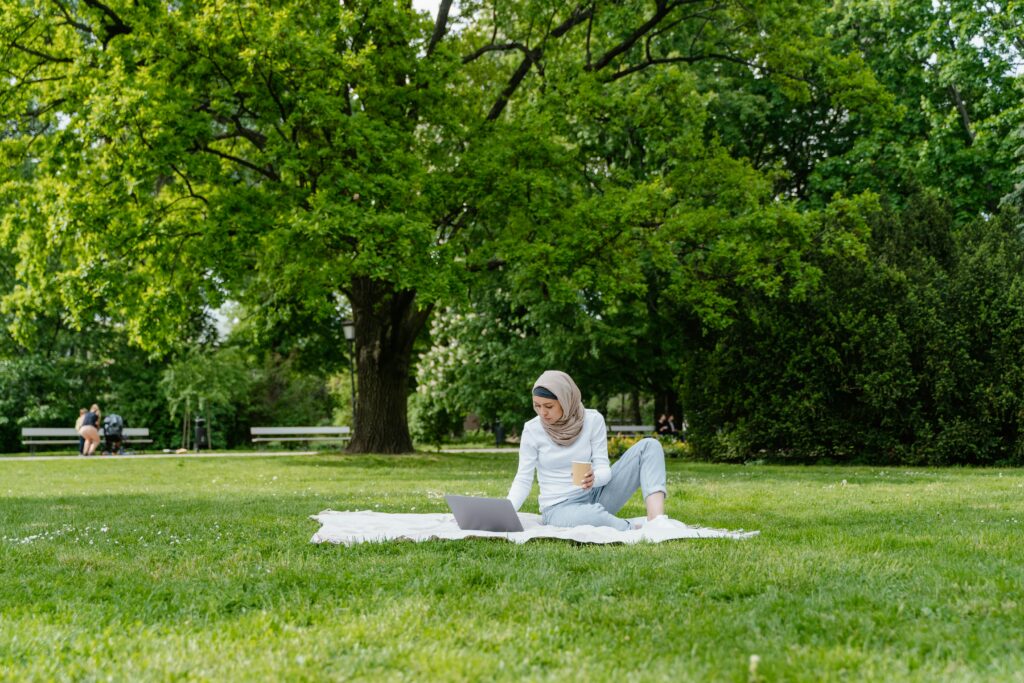
In a world dominated by screens, concrete, and synthetic materials, many of us have lost touch — literally — with the Earth beneath our feet. A growing body of wellness research suggests that reconnecting with the ground through a practice known as grounding or earthing may offer meaningful benefits for both body and mind.
Grounding involves direct physical contact with the Earth’s surface, such as walking barefoot on grass, soil, or sand. The idea is that the Earth carries a mild negative electrical charge, and by connecting with it, we may help balance the body’s own electrical systems.
While the concept may sound unconventional, it’s rooted in the idea that modern life — filled with rubber‑soled shoes, high‑rise buildings, and artificial environments — has physically separated us from nature in ways that may influence our health.
Physical Health Benefits
According to the Cleveland Clinic, grounding may help:
- Reduce inflammation by neutralizing free radicals in the body.
- Improve sleep by supporting healthy circadian rhythms.
- Lower blood pressure and support cardiovascular health.
- Ease chronic pain, particularly in conditions such as arthritis or fibromyalgia.
A review of studies highlighted by Illuminate Labs also suggests that grounding may improve immune function, reduce cortisol levels, and enhance wound healing.
Mental and Emotional Wellness
Grounding isn’t only about physical health — it can also support mental well‑being. According to WebMD, grounding techniques (including earthing) may:
- Reduce stress and anxiety by activating the parasympathetic nervous system.
- Improve mood and focus, especially when practised outdoors.
- Support mindfulness, helping you feel more present and connected.
Even a few minutes of barefoot walking in a park or sitting on the grass can help calm the mind and reset your nervous system.
How to Practise Grounding
You don’t need special equipment to get started. Here are simple ways to incorporate grounding into your daily routine:
- Walk barefoot on natural surfaces such as grass, sand, or soil.
- Sit or lie down on the ground while reading, meditating, or relaxing.
- Garden with bare hands to connect through touch.
- Use grounding mats or sheets indoors if outdoor access is limited.
Aim for 10–30 minutes a day to begin noticing benefits.
While grounding is not a substitute for medical treatment, it can be a complementary wellness practice — especially when combined with outdoor physical activity, mindfulness, and healthy lifestyle habits. As the CDC and NIH emphasize, spending time in nature and moving your body regularly are key components of long‑term health.
Grounding is a simple, natural, and accessible way to reconnect with the Earth — and with yourself. Whether you’re walking barefoot in your backyard, sitting under a tree, or tending to a garden, grounding offers a gentle reminder that sometimes the best medicine is right beneath your feet.
For More Information