We’ve all been there — reaching for a slice of bread or a block of cheese only to find a fuzzy surprise. But is it safe to simply cut off the moldy part and eat the rest? The short answer: usually not. Here’s what you need to know to stay safe and mold‑free in your kitchen.
What Is Mold?
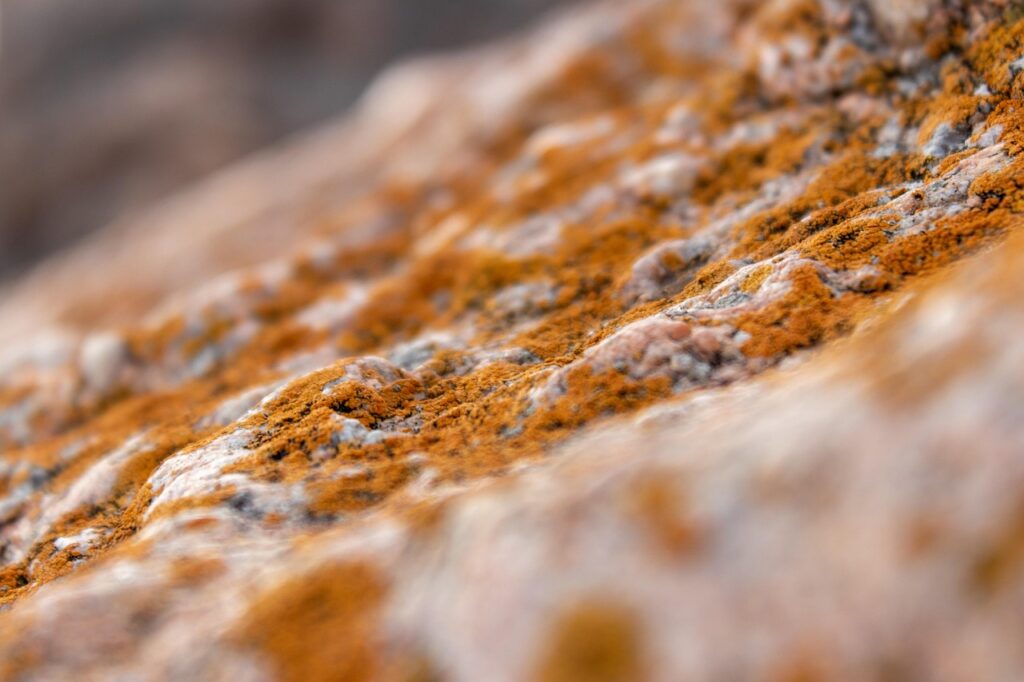
Molds are microscopic fungi that thrive on plant and animal matter. They spread through spores that float through the air and land on food, especially in warm, humid environments. What you see on the surface — green fuzz, white dust, or velvety circles — is only the beginning. Mold roots can extend deep into food, carrying invisible bacteria and sometimes toxic compounds called mycotoxins.
Not all molds are harmful, but some can cause:
- Allergic reactions
- Respiratory issues
- Food poisoning from mycotoxins, which can spread beyond the visible mold
When to Toss It
Throw the food out if mold appears on:
- Soft fruits and vegetables (e.g., tomatoes, peaches)
- Bread and baked goods
- Cooked leftovers
- Lunch meats, hot dogs, or casseroles
- Yogurt, sour cream, or soft cheeses
When You May Trim It
You can trim mouldy areas (with caution) on:
- Hard cheeses — cut at least 2.5 cm (1 inch) around and below the mold
- Firm fruits and vegetables — same rule: a 2.5 cm (1 inch) buffer
Always use a clean knife and avoid touching the mold with your hands.
Additional Safety Tips
- Don’t sniff moldy food — spores can irritate your respiratory system.
- Clean the area where the moldy item was stored.
- Check nearby foods for signs of contamination.
When in doubt, throw it out. Mold can be more than unappetizing — it can be unsafe. A few simple precautions can help keep your kitchen (and your family) healthy.
For More Information
Molds on Food: Are They Dangerous? — Food Safety and Inspection Service