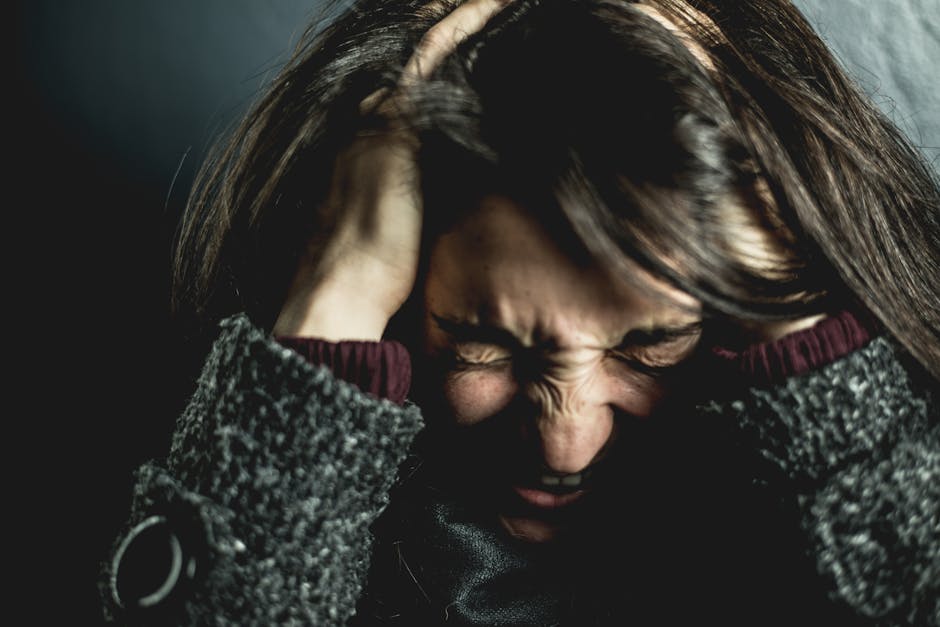

Eating disorders are serious mental health conditions that affect a person’s relationship with food, body image, and their overall well‑being. They can lead to significant physical and emotional consequences, making early recognition and intervention essential.
Types of Eating Disorders
Anorexia Nervosa — Characterized by extreme food restriction, an intense fear of weight gain, and a distorted body image.
Bulimia Nervosa — Involves cycles of binge eating followed by purging behaviours such as vomiting, laxative use, or excessive exercise.
Binge Eating Disorder — Repeated episodes of consuming large amounts of food, often accompanied by feelings of guilt, shame, or distress.
Avoidant/Restrictive Food Intake Disorder (ARFID) — A condition in which individuals avoid certain foods due to sensory sensitivities, fear of negative consequences, or a lack of interest in eating.
What Contributes to Eating Disorders?
Eating disorders can develop due to a combination of biological, psychological, and social factors, including:
Genetics — A family history of eating disorders can increase risk.
Mental Health Conditions — Anxiety, depression, trauma, and obsessive‑compulsive tendencies are common contributors.
Societal Pressures — Unrealistic beauty standards, weight stigma, and diet culture can negatively affect self‑esteem and body image.
Personal Experiences — Stressful life events, bullying, or difficult childhood experiences may trigger disordered eating patterns.
Treatment and Support
Recovery is possible with the right support. Treatment options may include:
Therapy — Cognitive‑behavioural therapy (CBT) and other therapeutic approaches help address underlying emotional and behavioural challenges.
Medical Care — Nutritional counselling and medical monitoring support physical health and safe recovery.
Support Networks — Family, friends, and peer groups play a vital role in encouragement, accountability, and long‑term healing.
If you or someone you know is struggling with an eating disorder, reaching out for professional help is essential. Learn more about eating disorders and available resources here.